
Hiring guide
How to Choose a Retaining Wall Contractor
Twelve questions to ask, how to compare bids for the same scope, and the red flags to watch for before you sign.
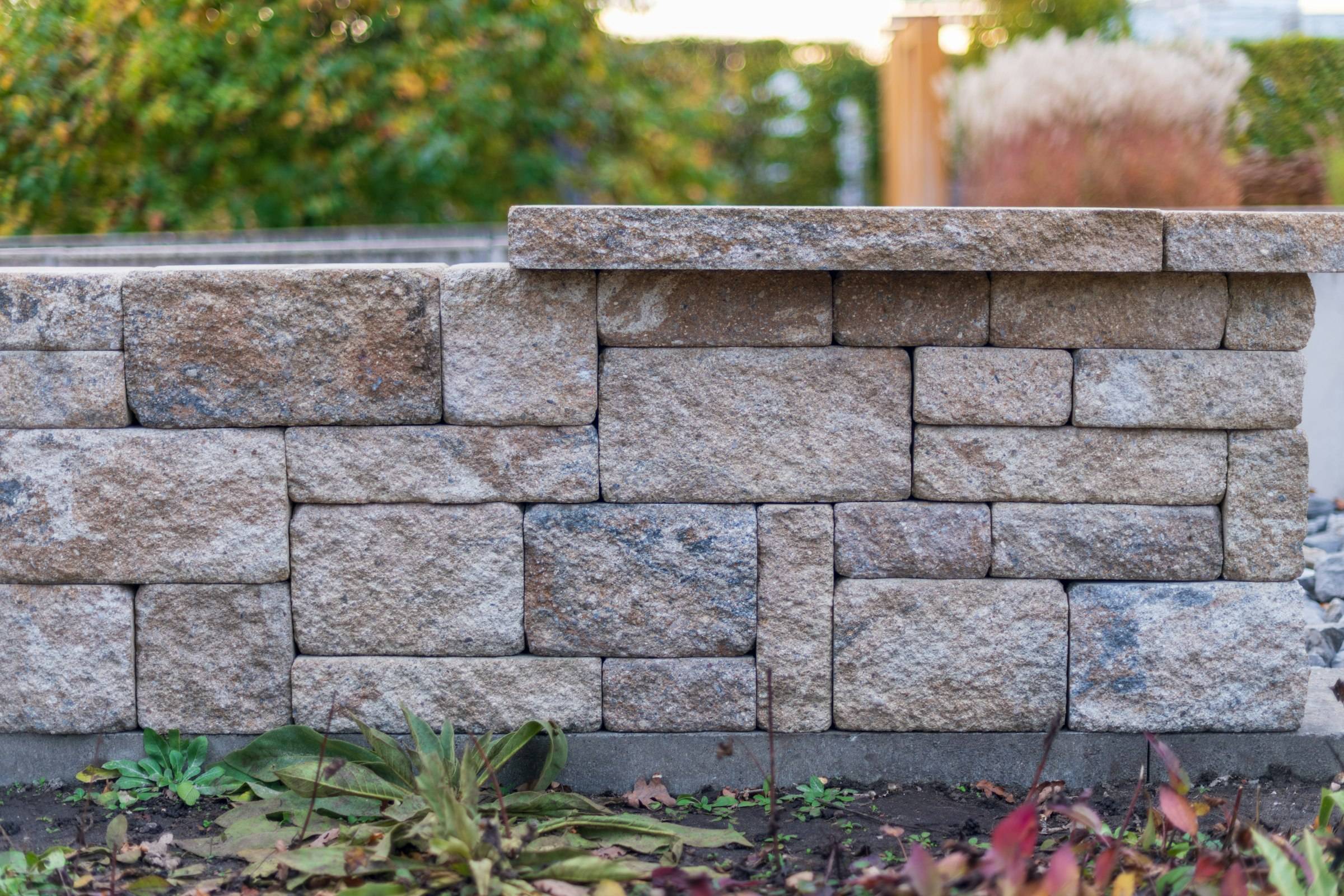
Choose a retaining wall contractor based on the work they actually perform, experience with similar walls and a written scope that covers the ground and water behind the finished face. A contractor who installs decorative garden walls isn’t automatically equipped to repair a moving wall or build a wall supporting a driveway.
Start by confirming whether you need new installation, repair, replacement or drainage remediation. Then compare businesses against that exact project rather than relying on a generic “landscaper” or “masonry contractor” category.
Browse retaining wall contractors to identify businesses and check which services they advertise. RetainingWallGuide records website-advertised and contractor-reported capabilities separately. These are research labels, not proof of licensing, insurance, engineering qualifications or workmanship; check those independently.
What to Look for Before You Hire
| What to Verify | Why It Matters | How to Check |
|---|---|---|
| Retaining-wall specialty | A business may offer installation but not structural repair | Check its services, project gallery and direct answers |
| Similar completed work | Similar height, site conditions and wall system matter | Request recent project examples and references |
| Required licensing | Legal requirements differ by state and work type | Check the relevant state or local licensing authority |
| Insurance | Accidents or property damage can be costly | Request current proof and confirm cover is appropriate |
| Design responsibility | Some jobs require an engineer or geotechnical input | Ask who decides and signs off the wall design |
| Drainage plan | Water can change loads and performance | Ask about surface water, drainage layers and outlets |
| Written scope and price | Prevents comparing incomplete bids | Compare itemised inclusions and exclusions |
| Contract and payment terms | Protects both parties | Review schedule, deposits, change orders and warranty |
The Federal Trade Commission’s home-improvement guidance recommends checking relevant licences and insurance, getting multiple written estimates and reading contracts before paying. Licensing systems and deposit rules are not identical nationally.
Twelve Questions to Ask Every Retaining Wall Contractor
1. Do You Build, Repair or Replace Retaining Walls?
Ask exactly which jobs the company accepts. Some businesses only build new segmental block walls; others specialise in drainage remediation, masonry repair or engineered replacement.
For a moving wall, don’t assume an installer can diagnose and stabilise it.
2. Have You Completed Projects With Similar Height and Site Conditions?
A 2-foot planting-bed wall differs from a 6-foot wall retaining a steep drive.
Ask for projects with comparable heights, materials, slopes, access and loads. Request photographs where the contractor has permission to share them and details of the actual scope. Portfolio images aren’t automatically proof the contractor performed every part of the work.
3. Who Is Responsible for Engineering?
Find out whether a structural or geotechnical engineer will assess the design where needed, and who pays for plans, review and inspections.
A wall’s height alone doesn’t decide this. Poor ground, adjacent slopes and surcharge loads from driveways or buildings may require additional design, even for shorter walls. See permits and engineering.
4. Which Wall System Are You Proposing?
“Concrete wall” could mean a modular segmental block system, mortared concrete masonry units or cast-in-place reinforced concrete. The construction, reinforcement and repair methods differ.
Ask for the manufacturer’s system name or clear structural description, especially if two bids specify different solutions. Our types of retaining walls guide explains the differences.
5. How Will the Foundation and Backfill Be Prepared?
The visible wall is only one part of the project. The contractor should explain how site conditions are evaluated and how the proposed design addresses the foundation and retained soil.
A homeowner doesn’t need to calculate soil pressure; they need to know someone qualified is responsible for the assumptions.
6. What Is the Drainage and Surface-Water Plan?
Ask where rainwater comes from, whether the wall needs a collection drain and where collected water will discharge. A promise to add “gravel and pipe” is not enough.
See retaining wall drainage for a more detailed questioning checklist.
7. Who Handles Permits and Inspections?
Get the responsible party in writing. It may be the contractor, owner, engineer or a combination. Rules vary by jurisdiction.
Do not accept “walls under four feet never need permits” as a universal answer.
8. What Does the Quote Include?
Look for demolition, excavation, base or footing, wall units, reinforcement where required, drainage, outlet connection, disposal, backfill, grading, restoration and engineering/permits.
If the cheapest quote leaves out half the site work, it isn’t the cheapest equivalent job.
9. How Will You Protect the Property?
Discuss equipment access, utilities, fences, planting, drainage from neighboring areas and temporary support if replacing an existing wall.
Before excavation, the responsible party should arrange required underground utility marking, including 811 in the US.
10. Can I Check Your Licence, Insurance and References?
Ask for the contractor’s legal business name and any licence or registration number required for the work. Verify details through the relevant government authority where possible.
Request current insurance documentation. Do not assume a public review rating or a directory listing confirms these facts.
11. What Happens if the Ground Conditions Differ From the Quote?
A good agreement explains when unexpected soil, groundwater, utilities or demolition conditions can trigger extra work and how that work is approved and priced.
Ask how change orders are documented and who makes technical decisions.
12. What’s the Warranty and What Does It Actually Cover?
Separate materials coverage, workmanship commitments and exclusions. A “lifetime warranty” means little unless the contract defines the covered failure types, conditions and responsible business.
Comparing Two Retaining Wall Bids
Use this scorecard for the same proposed project:
| Item | Contractor A | Contractor B |
|---|---|---|
| Correct service offered | Check | Check |
| Similar projects demonstrated | Check | Check |
| Licence/insurance independently checked where applicable | Check | Check |
| Structural approach described | Check | Check |
| Water management and outlet included | Check | Check |
| Demolition and disposal included | Check | Check |
| Engineering/permits assigned | Check | Check |
| Written warranty and exclusions | Check | Check |
| Total price for the same scope | $ | $ |
Don’t force a numeric ranking without understanding the differences. A more expensive bid that actually includes a required engineered design and soil work may be the better value.
For budgeting before requesting quotes, see retaining wall cost and the cost calculator.
Red Flags When Hiring a Retaining Wall Contractor
Be cautious if a contractor:
- Claims every retaining wall can be built without design or permits.
- Cannot explain where drainage water will go.
- Pushes a repair without investigating why the wall moved.
- Offers only a verbal quote for a substantial job.
- Refuses appropriate proof of licensing or insurance.
- Wants the entire price before work begins.
- Pressures you to sign immediately or pay by untraceable methods.
- Makes broad guarantees while excluding crucial site conditions in the contract.
The FTC specifically warns about high-pressure offers, unclear contracts and paying in full upfront.
Find the Right Kind of Specialist
For new residential landscape walls: Look for businesses that explicitly advertise retaining wall installation and can explain their system and drainage approach.
For a leaning or failing wall: Look for retaining wall repair experience; seek engineering assessment where stability is uncertain. Read the repair guide.
For replacing a damaged wall: Verify that the contractor accepts removal, temporary protection, rebuilding and the required design scope. Read replacement costs.
For water problems: Look for wall-specific drainage remediation rather than generic yard-drain installation alone. Read the drainage guide.
Contractor Hiring FAQs
Should I hire a landscaper, mason or general contractor?
Choose based on documented retaining-wall experience and the job, not the general business category. An experienced hardscape contractor may be appropriate for some modular systems; an engineered repair may require different expertise.
How many retaining wall quotes should I get?
A practical target is two or three comparable written proposals, where sufficient qualified contractors are available. More quotes aren’t useful when the scope changes from one bidder to another.
Does a directory listing mean a contractor is certified?
No. RetainingWallGuide describes publicly advertised or contractor-reported services. Check required licences, insurance and qualifications independently.
Can a contractor tell whether a leaning wall is safe from photos?
Photographs can help a first conversation but cannot verify ground conditions, buried reinforcement or stability. Significant movement merits an on-site assessment.
Are paid listings ranked higher?
Sponsored placements, if present, should be clearly identified. Paying for visibility must not change the factual classification of a contractor’s capabilities.
Ready to Find Contractors?
Search by location and project type, then compare providers who actually advertise the service you need.
Listings are free to view. Only participating contractors can receive project enquiries via RetainingWallGuide forms; other businesses list their own direct contact details. The directory is not a contractor, design professional, licensing board or insurer.
Sources and Method
- FTC — How to Avoid a Home Improvement Scam
- CMHA — Guide to Segmental Retaining Walls
- CMHA — Segmental Retaining Wall Sample Specifications
- Portland — Retaining Wall Permitting
- 811 — Call Before You Dig
Sources checked October 14, 2026. Requirements for licences, permits, insurance and contracts vary by location. The checklist is a homeowner decision aid, not an individual endorsement or legal opinion.