
Repair and drainage guide
Retaining Wall Replacement Cost: What Removing and Rebuilding Really Costs
What removing and rebuilding a retaining wall involves, where the money goes, and what a complete replacement quote should include.
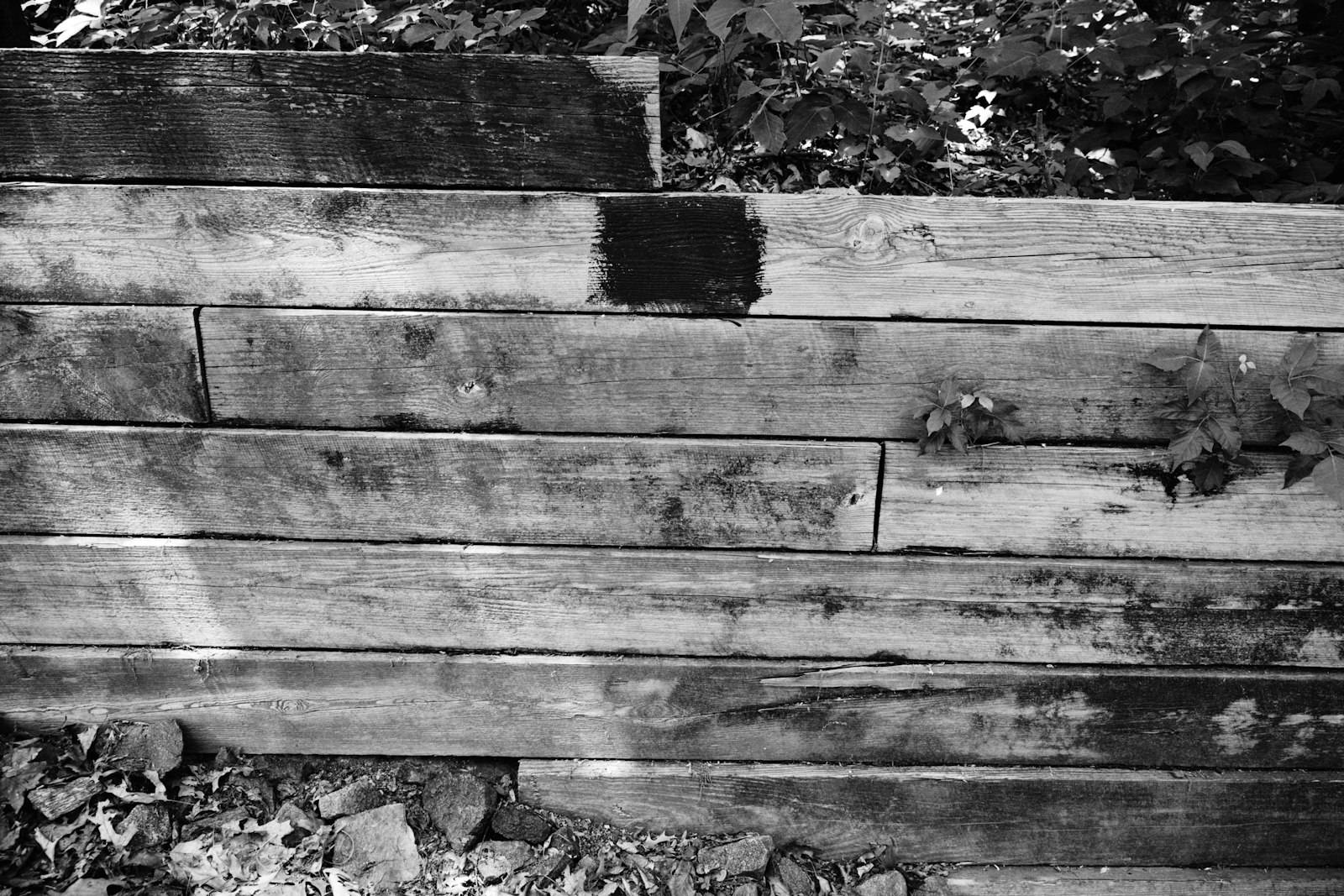
Removing and replacing a retaining wall commonly costs several thousand dollars, and complex or engineered replacements can cost substantially more. HomeGuide’s 2026 repair-cost reference gives an illustrative $6,000–$14,000 total for removing and rebuilding an approximately 50-foot-long, 4-foot-tall wall.
That is not a national fixed price for every wall. A failing wall can require temporary protection, substantial excavation, removal of unsuitable soil, drainage redesign or engineering. The cost of the new wall itself is only part of a replacement project.
This page covers replacement costs, including demolition and rebuilding. For the cost of constructing a wall where none exists, see retaining wall cost. For smaller repairs, see retaining wall repair cost.
Safety first
If a wall is leaning, bulging, collapsing or supporting a driveway or building, keep people and vehicles clear. Do not remove blocks or excavate retained soil until an appropriately qualified professional establishes a safe approach.
Replacement Cost Breakdown
| Stage | What You're Paying For | Why It Can Vary |
|---|---|---|
| Inspection and design | Investigation, plans, engineering or geotechnical input when required | Height, loads, soil, access and local rules |
| Temporary stability and protection | Making the site safe for removal, protecting structures or utilities | Condition of the existing wall and nearby property |
| Demolition | Dismantling concrete, timber, stone or block | Equipment access and risk of disturbing retained soil |
| Haul-off and disposal | Loading, transport and disposal of debris | Material weight, trucking distance and disposal rules |
| Excavation and foundation | Correcting the base, preparing suitable founding ground | Poor soil, roots, utilities and groundwater |
| New wall structure | Wall system, labour, reinforcement and backfill | Design, material, height, length and loads |
| Drainage and water management | Surface diversion, backfill drainage and safe outlet | Existing water problem and discharge location |
| Restoration | Grading, paving, turf, planting, fencing or steps | How much of the surrounding site is disturbed |
HomeGuide illustrates the total with approximately $2,000–$4,000 for demolition/removal and $4,000–$10,000 for a new wall, giving $6,000–$14,000 combined. These are one published example’s components, not charges to add to an entirely different quote.
Why Can Replacing a Retaining Wall Cost More Than Building a New One?
A new installation starts with an open construction area. A replacement can begin with an unstable structure and soil that must be retained during work.
An Existing Wall May Be Unsafe to Dismantle
If soil is moving or the wall supports a slope, driveway or structure, removing it without a designed sequence can create more risk. Temporary measures, access restrictions and design involvement can increase the job’s cost and timeline.
The Original Problem Must Be Fixed
If poor water management, foundation settlement, inappropriate backfill or increased loads contributed to failure, rebuilding the same wall in the same way isn’t an adequate solution.
The new scope should explain what changes to prevent the same problem recurring, rather than simply promising stronger blocks.
Excavation and Disposal Are Separate Jobs
Concrete, timber and rock may have different demolition and disposal requirements. Earthwork behind the wall may be much more extensive than the amount of facing removed.
Check whether the contractor’s price includes restoring nearby paving, planting, fencing and drainage that must be disturbed.
Replacement Cost by Size: Planning Examples, Not Quotes
For an initial comparison, you can multiply exposed wall area by HomeGuide’s broad $35–$65 per-square-foot installed benchmark for a new wall. However, that figure is not a complete replacement quote, and complex replacements can exceed it.
| Example Wall | Exposed Wall Face | New-Wall Planning Calculation* |
|---|---|---|
| 25 ft long × 2 ft high | 50 sq ft | $1,750–$3,250 |
| 30 ft × 3 ft | 90 sq ft | $3,150–$5,850 |
| 50 ft × 4 ft | 200 sq ft | $7,000–$13,000 |
About these figures
Arithmetic using the 2026 HomeGuide new-wall benchmark. This is not the installed price plus a universal demolition allowance; actual replacement quotes must include site-specific removal, design, drainage and restoration. HomeGuide’s separate $6,000–$14,000 replacement example uses its own scope assumptions.
A contractor may use wall face area to price a system, while demolition is priced by volume, weight, access or the work involved. Don’t assume both use the same unit.
What Changes the Replacement Quote Most?
Wall height and loads. Taller walls and those supporting slopes, parking or structures may require a different design from a short garden wall.
Soil and drainage. Waterlogged, weak or shifting ground can require more assessment, excavation and engineered details.
Machinery access. Removing a wall behind a house without direct equipment access may involve more hand labour, staging and smaller machinery.
Material. Poured concrete demolition differs from dismantling modular block or timber. The replacement material and wall system may not match what was removed.
Local permitting. Portland’s retaining-wall guidance uses wall height measured from the bottom of the footing and surcharge loads as triggers; Carrollton, Texas has its own rules. Check the authority that governs the property.
Repair or Replace: How to Make the Decision
Replacement isn’t always necessary for a localised defect on an otherwise stable wall. But repair is not automatically economical when failure is widespread.
Ask the assessor whether the existing structure is suitable to retain. Consider a replacement when:
- The wall has extensive movement or deterioration.
- Its foundation or reinforcement cannot be reliably retained.
- Correcting drainage or soil conditions requires substantial dismantling.
- Loads above the wall have changed and the old design is no longer suitable.
- A durable, fully scoped repair approaches the complete cost of a new, suitable wall.
See retaining wall repair for the diagnostic questions and repair cost for the narrower price categories.
What Should Be Included in a Retaining Wall Replacement Quote?
A useful written quote describes:
- Original-wall assessment: What caused the failure and who is responsible for the assessment.
- Removal method: How the retained soil and surrounding area are protected.
- Site preparation: Excavation, unsuitable soil, temporary access, utility locations and disposal.
- New structure: Wall system, height, length, foundation and any reinforcement.
- Water management: How runoff, incidental water and groundwater are handled and where water discharges.
- Professional approvals: Engineering, permit applications and inspections when applicable.
- Restoration: Fences, pathways, turf, planting and surface grading.
- Changes and warranty: Exclusions, payment terms, schedule and repair responsibilities.
If two quotes differ by thousands, use this list to find which line items are missing rather than assuming one company is simply expensive.
Replacement FAQs
Can you rebuild a retaining wall in the same location?
Often, but the position and design need to remain suitable. Ground movement, property lines, setbacks, utilities, drainage and nearby loads can affect what can be rebuilt.
Can existing retaining wall blocks be reused?
Sometimes, if the materials and system are suitable and an appropriately qualified professional approves the approach. Reuse is not guaranteed, and damage during removal can limit what survives.
Does homeowners insurance cover retaining wall replacement?
That depends on the policy and cause of damage. Exclusions may apply to earth movement, flooding, poor construction, wear and maintenance. Request a written determination from your insurer rather than assuming coverage.
How long does replacement take?
It varies by demolition difficulty, design and permit requirements, access, material delivery and weather. Ask for an estimated schedule that separates approvals, removal and new construction.
Should a leaning wall be removed immediately?
Don’t dismantle it yourself. Restrict access and request a prompt stability assessment. The appropriate timing and method depend on the actual risk.
Compare Quotes From the Right Contractors
Replacement work may involve demolition, new-wall construction and engineered drainage. A company that advertises only new installations may not offer full replacement.
Browse retaining wall contractors and check each listing for its documented replacement capability. Use the retaining wall cost calculator for an initial planning exercise, not a demolition or engineering quote.
RetainingWallGuide is a directory and information resource. We do not inspect walls, certify contractors or guarantee site-specific prices. Quote forms appear only for participating contractors.
Sources and Method
- HomeGuide — Retaining Wall Repair and Replacement Cost (2026)
- HomeGuide — Retaining Wall Installation Cost (January 2026)
- CMHA — Guide to Segmental Retaining Walls
- City of Portland — Retaining Wall Permits
- City of Carrollton, Texas — Retaining Walls
Published pricing checked October 14, 2026. Replacement and new-wall ranges have different scopes and are not added together.
Review status: the technical sections of this guide have not yet been reviewed by a qualified professional. We’ll name the reviewer and their qualifications here once that review is complete. See our editorial policy.