
Wall types and materials
Timber Retaining Walls: Costs, Materials and When They Make Sense
Timber treatment, drainage, lifespan factors and published costs, and when a timber wall makes sense.
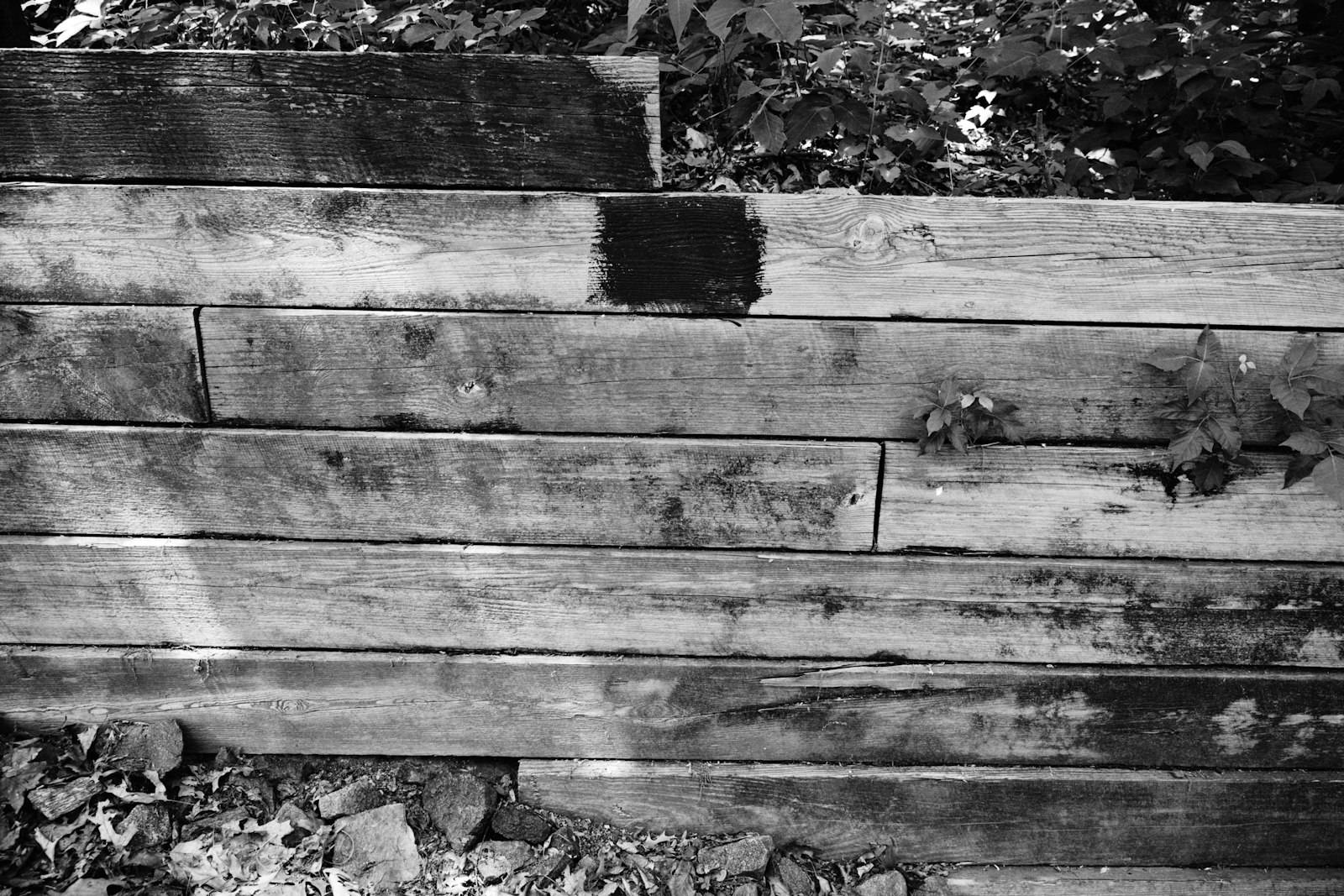
A timber retaining wall uses wood members and a designed support system to hold back soil. It can give a garden a natural, understated finish, but timber in or near the ground faces moisture exposure and eventual deterioration.
A timber wall is not simply several landscape timbers stacked on top of one another. Its ability to retain soil depends on the wood specification, connections, foundation, soil, loads and water management.
For a homeowner comparing options, the key question is whether a timber system is suitable for the intended wall and offers acceptable durability and whole-life cost.
When Is Timber a Sensible Choice?
Timber may be considered for some landscape applications where its appearance and construction characteristics suit the setting. Site conditions, retaining height and the loads above the wall still need evaluation.
A timber system supporting a high slope or driveway should not be chosen solely because treated wood costs less at a building-supply shop.
Compare it with concrete block retaining walls, natural stone retaining walls and other retaining wall types before selecting a material.
How Much Does a Timber Retaining Wall Cost?
HomeGuide’s January 2026 installed-price guide lists roughly $15–$30 per square foot for wood or timber retaining walls under its stated general assumptions.
A 30-foot-long wall with 3 feet of exposed height has 90 square feet of wall face. Applying that broad published band would produce $1,350–$2,700 by arithmetic. This is a planning example, not a contractor quote; small-project minimums and site work can raise the price.
Timber prices depend on:
- Grade, species, treatment and size of the selected wood.
- Structural design and connection requirements.
- Ground preparation, excavation and foundation.
- Drainage, backfill and surface water diversion.
- Equipment access and labour.
- Removal of an old wall, disposal and restoration.
- Local engineering and permit requirements.
A material-only timber price should never be compared with a fully installed concrete wall. Ask for the same scope when comparing alternatives.
See our retaining wall cost guide for total project budgeting.
What Timber Is Used for Retaining Walls?
Landscape walls commonly use suitable pressure-treated timbers or other wood products specified for the actual exposure and structural role.
Ground-contact treatment is important. The preserved-wood use-category reference identifies American Wood Protection Association (AWPA) categories for different residential applications and advises consulting the product’s end tag. Some critical or difficult-to-replace structural components may require a higher treatment category than a general landscape use.
Ask for the actual treatment standard and use category, not simply the words “treated timber”. The designer and supplier should determine whether the specification suits burial, water exposure and structural demands.
Do not assume used railroad ties are appropriate: preservative type, condition, contamination risks and local disposal restrictions require special consideration.
How Are Timber Retaining Walls Supported?
Timber systems can employ horizontal members with suitable connections and support elements. The particular geometry and support arrangement must follow the design for the retained soil and loads.
That’s why substituting thinner members, different fasteners or an unapproved timber type can change the system’s performance.
This article is not a construction detail or an instruction to determine wall height from the number of timbers in a stack.
Do Timber Retaining Walls Need Drainage?
Water management is critical. Timber faces deterioration risks when moisture exposure is poorly controlled, and trapped water can also increase pressure on the wall and affect supporting soil.
The required details depend on the wall design, but ask about:
- Surface runoff reaching the retained soil.
- Backfill materials and any specified drainage zone.
- Collection drains and where water discharges.
- How timber is protected from inappropriate moisture conditions.
- Whether irrigation or downspouts are affecting the wall.
See retaining wall drainage for a system-level explanation.
How Long Does a Timber Retaining Wall Last?
There’s no credible universal lifespan for every timber retaining wall. Service life depends on treatment, climate, soil, construction, exposure to water and upkeep.
A treated timber can be in good visible condition while buried members or connections have deteriorated. An old timber wall should be evaluated by condition, not simply its age.
Before purchase, ask the contractor for the selected timber’s product specifications, the expected maintenance requirements and what the written warranty actually covers.
What Are the Main Advantages and Disadvantages?
| Potential Advantage | Corresponding Trade-Off |
|---|---|
| Natural, warm appearance | Appearance changes with weathering |
| Potentially lower headline installed price in some guides | Buried components and future replacement costs matter |
| Material that may suit certain constrained sites | Connections and access still need engineered suitability |
| Can blend with planting and landscape features | Moisture, insects and decay need ongoing attention |
Can an Old Timber Wall Be Repaired?
Localised damage may be repairable if the wall is assessed as stable and remaining components are suitable.
However, widespread rot or movement affecting buried wood, connections or foundations can make replacement a better option. Replacing a visible rotten board doesn’t establish that the retained soil is safely supported.
See retaining wall repair and replacement cost if the existing timber wall is leaning or deteriorating.
What Should You Ask a Timber Retaining Wall Contractor?
- Which exact timber product and preservative use category will be supplied?
- What wall system and connections are proposed?
- What retained height and loads is the design based on?
- How will surface and subsurface water be handled?
- Which components are buried, and how will their condition be evaluated over time?
- What maintenance does the selected product require?
- What are the likely replacement and disposal implications?
- Who handles permits or engineering if required?
- Can you show comparable completed timber retaining walls?
- What is covered by the workmanship and product warranties?
Timber Retaining Wall FAQs
Is a timber retaining wall cheaper than concrete?
Published timber starting ranges can be lower, but final installed cost and lifespan depend on the whole project. A more expensive system upfront may be the better long-term value in some conditions.
Is pressure-treated wood required?
Timbers exposed to ground contact and moisture should be selected for their actual use and design requirements. Ask for the supplier’s treatment category and a design appropriate to the site.
Can timber retaining walls support driveways?
Don’t assume they can or cannot from the material alone. A driveway introduces loading and potential safety consequences that require professional design evaluation.
How do I know when a timber retaining wall needs replacement?
Movement, rot, compromised connections, ground settlement and serious water problems warrant professional assessment. Don’t rely on a predetermined number of years.
Can I build a timber retaining wall myself?
Only consider work within the appropriate manufacturer’s system and local requirements, and only where site conditions are understood. Retaining soil near structures or loads should be professionally assessed.
Compare Timber Against Long-Term Alternatives
The right choice balances installation cost, exposure, maintenance, replacement and the site’s structural requirements.
Find contractors or compare retaining wall types.
RetainingWallGuide is an independent directory and information resource. This page does not establish that a specific timber design is structurally suitable.
Sources and Method
- HomeGuide — Retaining Wall Costs (2026)
- Preserved Wood — AWPA Residential Use Category Guide
- CMHA — Retaining Wall Design Considerations
- City of Portland — Retaining Wall Permitting
Sources checked October 14, 2026.
Review status: the technical sections of this guide have not yet been reviewed by a qualified professional. We’ll name the reviewer and their qualifications here once that review is complete. See our editorial policy.