
Repair and drainage guide
Retaining Wall Repair Cost: What Different Repairs Actually Cost
What different retaining wall repairs cost, why structural work costs more than cosmetic fixes, and how to compare repair quotes.
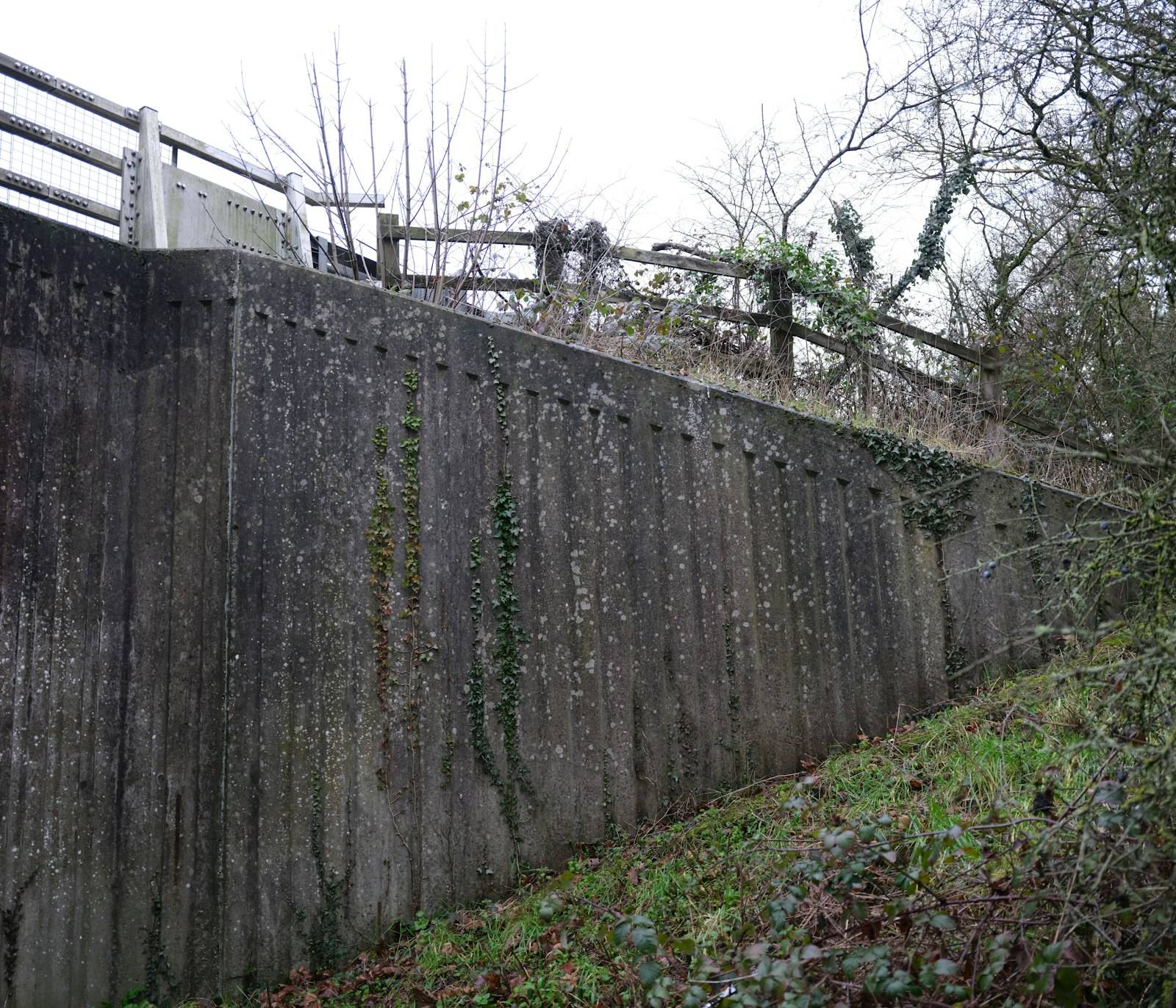
Retaining wall repair typically costs hundreds of dollars for a contained problem, but stabilisation, excavation and reconstruction can cost thousands. As a published US reference, Angi’s July 2026 guide reports approximately $450–$950 for many repairs, averaging around $700. HomeGuide reports $100–$1,500 for common repairs and $6,000–$14,000 for a typical remove-and-replace project.
Those ranges measure different mixes of work. A damaged cap, a localised masonry repair and a retaining wall leaning towards a driveway should never receive the same estimate simply because they’re all called “retaining wall repair”.
If the wall is moving, bulging, separating or supporting a building, keep away from the affected area and obtain an in-person assessment before budgeting for a specific fix. A low online repair average is not a safety determination.
For an explanation of the warning signs, start with our retaining wall repair guide. To compare actual local providers, browse retaining wall contractors and check which businesses explicitly offer repairs.
Repair Cost at a Glance
| Scope | Published Cost Reference | What It Does and Doesn't Cover |
|---|---|---|
| Common contained repair | $100–$1,500 | HomeGuide's broad repair range; not an engineered rebuild. |
| Common repair in Angi's sample | $450–$950 | Angi's typical range across mixed small repair jobs. |
| Leaning/bowing problem | $200–$1,500 in HomeGuide's category | Category estimates can understate extensive structural repair; an assessment determines the actual scope. |
| Water leakage or seepage | $100–$1,000 | The published range doesn't mean every buried drainage retrofit is included. |
| Removing and replacing a wall | $6,000–$14,000 | HomeGuide's illustrative total for a typical replacement scope. |
About these figures
What Determines the Cost to Repair a Retaining Wall?
The diagnosis and amount of work behind the wall usually matter more than the visible crack or stain.
1. Is the Problem Cosmetic or Structural?
Replacing a loose cap on a stable wall can be limited work. A wall displaced by moving soil may require analysis of the foundation, retained soil, water and loads above it.
Repair quotes should distinguish:
- Local material repair: caps, pointing, isolated units or surface defects on a wall assessed as stable.
- Water-management repair: repairing the relevant runoff route, outlet or buried drainage arrangement.
- Partial reconstruction: removing and rebuilding an affected section, including the base or backfill when needed.
- Engineered stabilisation: a site-specific design involving reinforcement, anchoring or another system where appropriate.
- Full replacement: dismantling an unsuitable or unstable wall and constructing a new one to an appropriate design.
If the price is dramatically lower than other bids, compare which of these jobs the contractor is actually offering.
2. Can a Contractor Reach the Back of the Wall?
Retaining walls hold soil, and much of the work necessary to correct a fault may be hidden. Excavation, temporary support, drainage materials, replacement backfill, access restrictions and disposal can become significant costs.
A surface-only quote and a quote to rebuild the affected soil-retaining system are not comparable.
3. What Material and System Is It?
A mortared stone wall, timber wall, reinforced concrete wall and segmental block wall use different construction methods. Their repair options vary too.
Some damaged masonry units may be replaceable; deteriorated buried timber, displaced reinforced soil or significant concrete movement may require a much broader intervention. Wall type alone does not establish a safe repair method.
4. Does the Wall Support a Driveway, Building or Slope?
Loads above the wall can change the required design and any temporary support during work. Local rules and the professional responsible for structural assessment determine whether engineering and permits are needed.
Our retaining wall permits and engineering guide explains what to check before hiring.
What Does a Leaning Retaining Wall Cost to Fix?
There is no reliable flat fee for straightening a retaining wall. The visible lean does not tell you whether the foundation, reinforcement or retained soil can safely be preserved.
Online references include relatively low ranges for “leaning or bowing”, but those shouldn’t be presented as a price for stabilising a tall, shifting wall. A substantial engineered solution can fall far outside a generic minor-repair category.
Ask the assessor to explain:
- Whether the wall appears stable enough to remain in place during investigation.
- What evidence identifies the source of movement.
- Whether the existing wall and foundation can be retained.
- Which design professional is responsible if structural work is proposed.
- How excavation, water management and temporary support are priced.
Read why retaining walls lean before treating a cosmetic adjustment as a lasting repair.
How Much Does Retaining Wall Drainage Repair Cost?
A blocked, accessible outlet is a different job from adding drainage behind an existing wall. The second may require excavation and reconstruction even if the pipe itself is inexpensive.
The quote should clearly distinguish surface-water management, incidental backfill drainage and groundwater control. A perforated pipe cannot fix every water source. See our retaining wall drainage guide for the questions to ask about outlet locations and buried components.
Don’t add a universal per-foot drainage cost to a general installed-wall price. Some drainage is already included in a complete construction scope; a retrofit has its own access and structural considerations.
How Much Does Partial Rebuilding Cost?
When a contractor proposes rebuilding part of a wall, the quote should show where the work begins and ends. The price isn’t simply the number of new blocks multiplied by a store price.
Check for removal, soil retention during construction, foundation, drainage continuity, reinforcement, replacement material, backfill compaction and surface restoration.
A partial rebuild can be sensible if the problem is contained and the remaining wall is suitable. If adjoining sections are moving, the boundary between “repair” and “replacement” becomes less clear.
When Is Replacement Better Value?
Compare the cost of a durable, appropriately designed repair with the full cost of safe removal and replacement. A lower initial repair price may not be good value if it doesn’t correct the cause of movement.
Use this decision table:
| Situation | Repair May Make Sense | Replacement Deserves Serious Consideration |
|---|---|---|
| Localised damage | Remaining structure is confirmed suitable | Deterioration extends beyond the visible area |
| Wall movement | An appropriate stabilisation scheme is feasible | Movement is widespread or foundation unsuitable |
| Drainage defect | Water source can be corrected safely | Correction requires extensive dismantling |
| Material condition | Usable life remains after repair | Timber or masonry has extensive deterioration |
| Changing site use | Existing wall can safely support the intended loads | Existing design is not suitable for the new loads |
For the full rebuild budget, read retaining wall replacement cost. For new walls without removal, use the broader retaining wall cost guide.
How to Compare Retaining Wall Repair Quotes
Ask each bidder for a written diagnosis and scope, not merely a bottom-line number. Look for these seven details:
- Cause: What observed evidence supports the proposed diagnosis?
- Method: Is the work cosmetic, drainage-related, partial reconstruction or engineered stabilisation?
- Safety: Is an engineer or temporary support needed before excavation or dismantling?
- Included work: Demolition, removal, access, backfill, drainage, outlet and restoration.
- Exclusions: What discoveries may produce a change order?
- Approvals: Who checks permits, design and inspections?
- Outcome: What is warranted, and what existing conditions remain unchanged?
For locating appropriate businesses, our contractor hiring checklist explains how to compare experience, licensing where applicable, insurance and written proposals.
Retaining Wall Repair Cost FAQs
How much does it cost to fix a cracked retaining wall?
A contained surface crack or joint repair can cost considerably less than work addressing movement or foundation problems. The quoted price depends on whether the crack is only cosmetic or part of a structural issue. Don’t assume filling the crack solves its cause.
Is repairing a leaning wall cheaper than replacing it?
Sometimes, but only when an assessed repair is technically suitable. Compare full scopes, expected service life and warranty rather than an online cost category.
Can I get a retaining wall repair quote from photos?
Photos help screen the project. They cannot verify hidden reinforcement, drainage, foundation conditions or safety. Significant movement needs an in-person professional assessment.
Are engineer fees included in repair prices?
They may be itemised, included or excluded. Ask explicitly before accepting an estimate. Structural review and permitting are not automatically covered by a masonry repair allowance.
Does homeowners insurance pay for retaining wall repairs?
Coverage depends on the policy, cause of damage and exclusions. Retaining walls, earth movement, poor maintenance and flood-related damage can have special limitations. Ask your insurer and obtain a written coverage determination; a contractor’s opinion doesn’t establish coverage.
Get Quotes for the Same Repair Scope
If the wall is stable enough for routine assessment, document its size, material, visible symptoms and when they appeared. Ask repair-capable contractors to explain the cause and propose comparable scopes.
Find contractors or start with the retaining wall repair guide.
RetainingWallGuide publishes third-party price references for budgeting and independently categorises contractors’ advertised services. It does not diagnose, engineer or repair walls. A profile is not a certificate of professional competence; project request forms are available only for participating contractors.
Sources and Method
- Angi — How Much Do Retaining Wall Repairs Cost? (updated July 2026)
- HomeGuide — Retaining Wall Repair Cost (2026)
- CMHA — Guide to Segmental Retaining Walls
- City of Portland — Retaining Wall Permits
Pricing reviewed October 14, 2026. Published national categories should not be used as site-specific structural repair estimates. No proprietary job-cost dataset or engineering review is claimed.
Review status: the technical sections of this guide have not yet been reviewed by a qualified professional. We’ll name the reviewer and their qualifications here once that review is complete. See our editorial policy.