
Wall types and materials
Natural Stone Retaining Walls: Types, Costs and What to Consider
Dry-stacked, mortared and veneer stone walls explained, with published cost ranges and the questions to ask a mason.
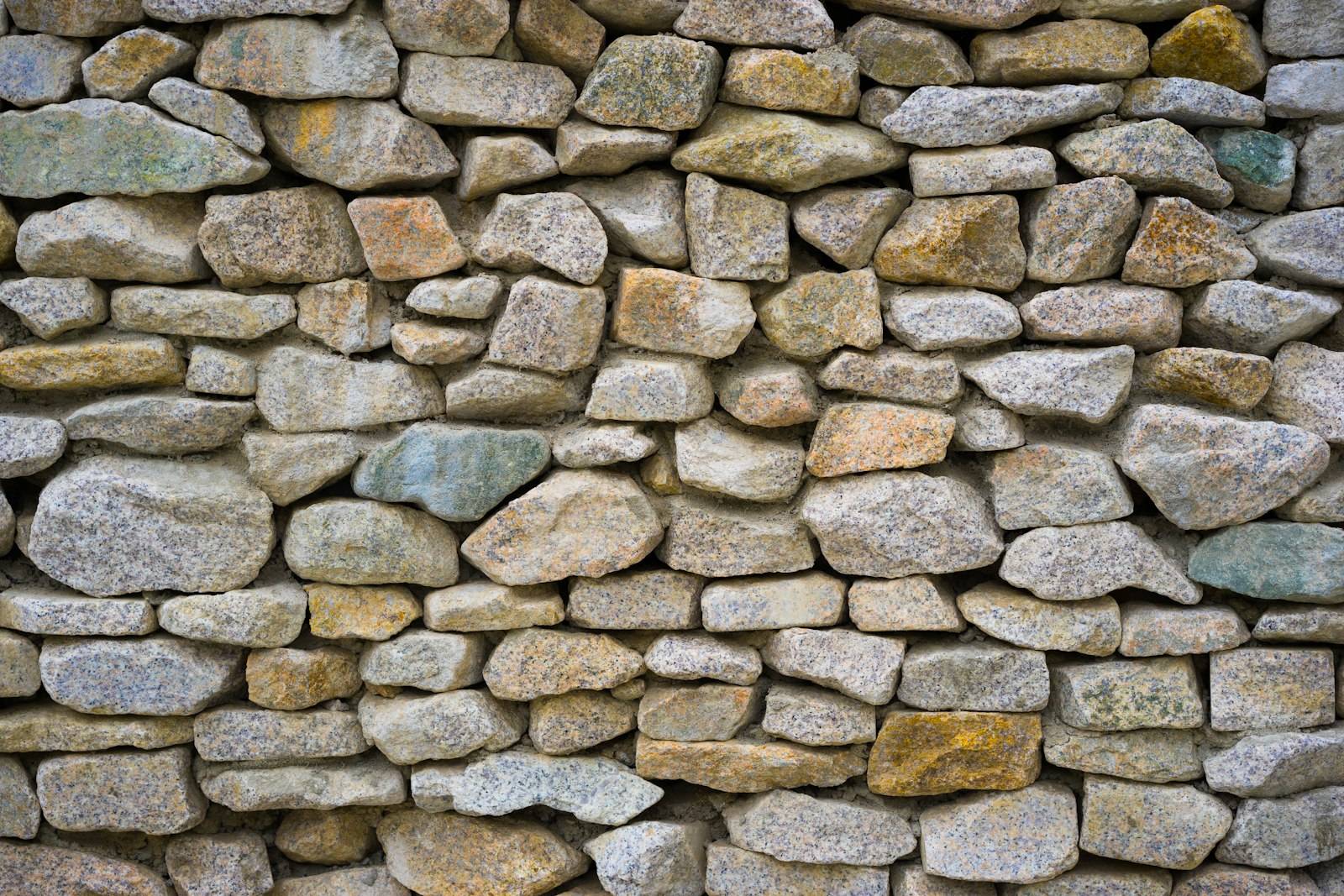
Natural stone retaining walls combine a stone finish with a structure designed to hold back soil. The finished look can range from rustic fieldstone to carefully cut, geometric stone, but “stone wall” describes appearance more clearly than structural design.
A dry-stacked gravity wall, a mortared stone masonry wall and a stone veneer over a different retaining structure can look similar from the front while using completely different support systems.
Before choosing stone by colour or price, find out which part of the proposed wall will actually resist the retained soil.
Three Ways a Natural Stone Retaining Wall Can Be Built
| System | What You See | What to Clarify |
|---|---|---|
| Dry-stacked stone gravity wall | Stones fitted without mortar | Wall thickness, geometry, foundation, stone selection and water management |
| Mortared stone masonry wall | Stone bonded with mortar | Whether masonry itself retains soil and how the structure is reinforced |
| Stone veneer on structural wall | Stone finish on a hidden structural system | Structural core, connections, finish thickness and drainage arrangement |
Dry-Stacked Stone Walls
Dry stacking uses the weight, shape and arrangement of stones rather than mortar between units. The design relies on suitable stone geometry and a foundation capable of supporting the structure.
Don’t assume an attractive dry-stacked garden boundary wall is suitable to retain a steep slope or support a driveway. The required geometry and engineering depend on the site.
Mortared Stone Retaining Walls
Mortared walls bond stones together, but mortar is not a substitute for proper retaining-wall design. The foundation, wall section, drainage and loads still need to be considered.
A mason should explain whether the stone masonry is itself the retaining structure or whether an unseen reinforced element is involved.
Stone Veneer Over a Structural Wall
A masonry or concrete retaining wall may be finished with a natural-stone facing to achieve a premium appearance. In that case, the structural performance belongs to the designed core and foundation, not the veneer.
This can be an effective architectural approach when specified correctly, but you shouldn’t compare its stone-facing price with a quote for an entire freestanding stone gravity wall.
How Much Does a Natural Stone Retaining Wall Cost?
HomeGuide’s published 2026 estimates put natural-stone retaining wall costs across a broad approximately $20–$95 per square foot installed range, with variations by stone and construction method.
That wide range is a warning against treating “natural stone” as one product.
Prices can change with:
- Local availability, quarry type and transportation.
- Stone size, shape and how much cutting or fitting is required.
- Wall thickness, foundation, backfill and drainage.
- Retained height, adjacent loads and engineering.
- Access for machinery and delivery.
- Whether the quote is full installation or stone facing only.
For example, a 30-foot by 3-foot wall has 90 square feet of visible face. Applying HomeGuide’s broad published range would produce $1,800–$8,550 by arithmetic. This is not a valid quote for an engineered stone structure and could fall well below the actual project cost in difficult conditions.
Read retaining wall cost for how exposed face-area pricing works and what is commonly excluded.
What Stone Types Are Used?
Fieldstone: Often irregular shapes and a rustic texture. Labour to select and fit pieces can matter more than a simple price per stone.
Limestone or sandstone: May be available in cut or natural finishes, but local geology, durability, stone dimensions and suppliers vary.
Granite or other dense stone: Often selected for particular appearance and availability, with handling and shaping requirements that affect labour.
Boulders or rockery stones: Large natural stones can form appropriately designed gravity structures, often requiring equipment access and careful foundation consideration.
A contractor should specify the actual stone, source, size and finish rather than using a generic label.
Do Stone Retaining Walls Need Drainage?
Yes, water management must be considered. Gaps between dry stones do not guarantee that runoff and groundwater behind the wall are safely handled.
A stone retaining structure still has a foundation and retained soil. Surface runoff, backfill drainage and potential soil migration need site-specific attention.
Our retaining wall drainage guide explains how these water sources differ and why a safe discharge path matters.
Pros and Cons of Stone Retaining Walls
Potential advantages
- Distinctive material character and varied textures.
- Stone that may blend naturally with the landscape.
- Opportunities to use locally available material.
- Design flexibility in the hands of an experienced stone-wall specialist.
Potential limitations
- Material and skilled-labour costs can vary substantially.
- Heavy pieces and difficult access increase handling needs.
- Poorly fitting or unsuitable stones can create construction problems.
- Repairs can require matching materials and workmanship.
- The natural appearance can obscure whether an appropriate engineered core exists.
Natural Stone vs. Concrete Block
Segmental concrete block gives you a defined modular system with manufacturer-specific design information. Natural stone requires particular attention to the selected stone and construction method.
Neither should be chosen solely on initial face material cost.
Compare types of retaining walls and concrete block retaining walls if you’re weighing those options.
What to Ask a Stone Retaining Wall Contractor
- Is the wall dry-stacked, mortared or stone-faced over a structural core?
- What part of the system resists soil pressure?
- Where is the stone sourced, and is it included in the quoted price?
- How are foundation conditions and retained loads assessed?
- How does water move behind and around the wall?
- How will the contractor handle large stones and equipment access?
- Can they show completed projects using the same construction method?
- Are engineering, permits, removal and site restoration included?
- How are cracked or displaced stones handled under the warranty?
Natural Stone Wall FAQs
Is dry-stacked stone stronger than mortared stone?
Strength cannot be decided from the presence of mortar alone. Each system has a different load path and geometry. A suitable design and construction method must match the retained soil and loads.
Do natural stone walls need footings?
They need an appropriate foundation, but the form of that foundation differs by system and site. Don’t assume every stone wall needs the same poured footing, nor that it needs none.
Can an old stone retaining wall be repaired?
Sometimes. Local damage and widespread movement are different cases. A qualified assessor should determine whether the structure can remain safely in service. See retaining wall repair.
Is natural stone cheaper if quarried locally?
Shorter transport may help, but cutting, fitting and labour can outweigh delivery savings. Compare complete quotes.
How long do stone retaining walls last?
There is no meaningful universal lifespan independent of the design, materials, soil, water and maintenance conditions.
Compare Experienced Stone-Wall Contractors
Ask for photos of genuinely completed projects with similar height, stone and site access. Compare the structural method, not just the appearance.
RetainingWallGuide is an independent editorial resource and contractor directory. Listings are not professional certifications.
Sources and Method
- HomeGuide — Stone Retaining Wall Cost
- HomeGuide — Retaining Wall Cost
- CMHA — Concrete Masonry Gravity Retaining Walls
- FHWA — Gabion and Modular Gravity Retaining Wall Concepts
Source and price references checked October 14, 2026.
Review status: the technical sections of this guide have not yet been reviewed by a qualified professional. We’ll name the reviewer and their qualifications here once that review is complete. See our editorial policy.